



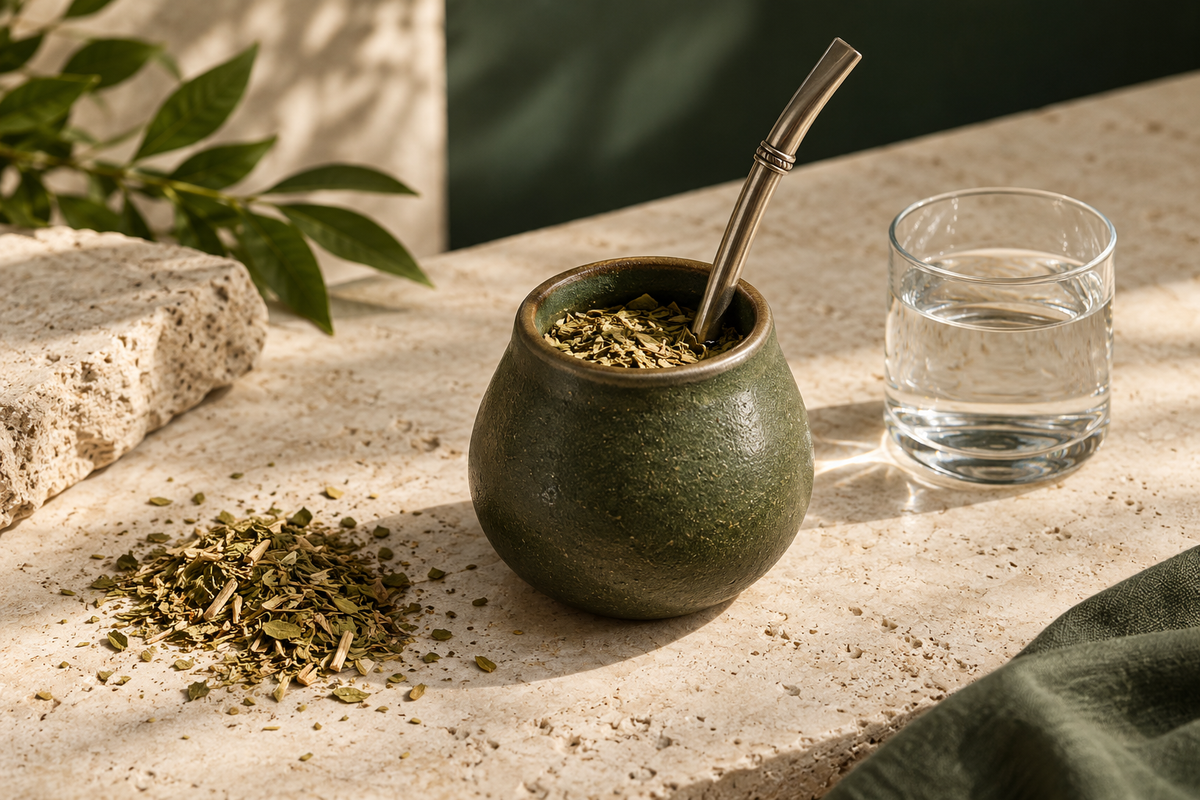
Yerba mate, this traditional infusion from South America, intrigues and captivates with its history and unique characteristics. Originating from the Guarani and other indigenous peoples of South America, this beverage is made from the dried and sometimes toasted leaves of the Ilex paraguariensis, a tree native to the region. Traditionally consumed in Argentina, Paraguay, Uruguay, and parts of Brazil, yerba mate is distinguished by its unique method of consumption: it is often served in a container called a "calabaza" (gourd) and drunk through a filtered metal straw known as a "bombilla".
In terms of appearance, yerba mate ranges from a vibrant green to a brownish color, depending on the level of roasting. As for its taste? It is a complex blend, often described as earthy and herbaceous, with a distinctive bitterness that can surprise the uninitiated. Now that we have an idea of what yerba mate is, let’s explore its health aspects.
Benefits and Virtues
Yerba mate is often celebrated for its multiple benefits. Rich in antioxidants, it even surpasses green tea in this area! These compounds help neutralize the damage caused by free radicals in the body, contributing to the prevention of many chronic diseases. The drink is also recognized for its energizing effect due to its caffeine content, which is nonetheless less aggressive than that of coffee.
Another major advantage is the presence of vitamins (B, C) and minerals (manganese, potassium). Yerba mate also promotes digestion and may play a role in weight management, thanks to its diuretic properties and its satiating effect. Finally, some studies suggest a positive impact on the cardiovascular system and an ability to regulate blood sugar levels.
Harmful Effects and Precautions
However, yerba mate is not without controversy. The presence of caffeine means that excessive consumption can lead to side effects such as insomnia, nervousness, or digestive issues. Furthermore, some studies have suggested a potential link between the excessive consumption of very hot yerba mate and an increased risk of esophageal cancer. However, this risk appears to be related more to the high temperature of the drink than to its composition itself.
It is therefore recommended to consume yerba mate at a moderate temperature or in the form of refreshing drinks, and in moderation, especially for individuals sensitive to caffeine or those with certain pre-existing health conditions. As with everything, excess should be avoided.
Conclusion
In short, yerba mate is a fascinating, multifaceted beverage. While its health benefits are undeniable, it is important to remain aware of the risks associated with excessive or inappropriate consumption. As always, moderation is key. Integrating yerba mate into a balanced diet and a healthy lifestyle can make it a valuable ally for your well-being.